


Revolutionizing Mink Blanket Production: Innovations and Techniques Behind the Unknown Narrative
In recent years, the textile industry has seen remarkable changes, especially in the production of mink blankets. As shoppers increasingly seek luxury and comfort, manufacturers are adapting their methods to improve quality while committing to sustainable practices. In this post, we will explore the latest innovations in mink blanket production and the techniques that are shaping their future.
The Evolution of Mink Blankets
Traditionally, mink blankets represented luxury and indulgence, being made from real mink fur. However, consumer preferences have shifted dramatically, emphasizing ethical considerations alongside comfort. For example, a 2022 survey indicated that 70% of consumers prefer synthetic materials over real fur due to concerns about animal welfare.
Manufacturers have responded to this trend by transitioning to high-quality synthetic materials. Fabrics like polyester microfibers now closely mimic the softness of mink fur while being more affordable. This shift allows producers to cater to a broader audience and reduces pressure on animal resources.

Sustainable Material Sourcing
One of the most significant changes in mink blanket production is the growing emphasis on sustainable materials. By focusing on high-quality synthetic fibers, manufacturers can create blankets that feel luxurious without the ethical concerns linked to real fur.
For instance, manufacturers now incorporate recycled polyester, derived from plastic bottles, to produce soft and warm blankets. This approach reduces waste and uses approximately 25% less energy compared to traditional fabric production. As a result, consumers can enjoy premium products while supporting eco-friendly practices.
Advanced Weaving Techniques
Advancements in weaving technology have transformed the texture and durability of mink blankets. Traditional weaving is being replaced with modern methods like jacquard weaving, which allows for intricate designs and patterns.
Jacquard weaving provides manufacturers with the capability to produce customized designs at scale. One recent innovation demonstrated that manufacturers could reduce production time by up to 30% when using jacquard techniques. This means consumers receive beautifully designed blankets faster while ensuring the softness and plushness are maintained, promising long-lasting luxury.

Quality Control Innovations
With increasing competition in the textile market, producers must ensure consistent quality. Quality control innovations have reshaped how manufacturers monitor products during production.
Integrating advanced technologies, including artificial intelligence, enables manufacturers to oversee every production stage. For example, real-time data analytics can pinpoint defects in rates as low as 2%, enhancing product consistency. This modern approach bolsters consumer confidence by delivering reliable, high-quality mink blankets.
The Role of Eco-Friendly Dyeing Methods
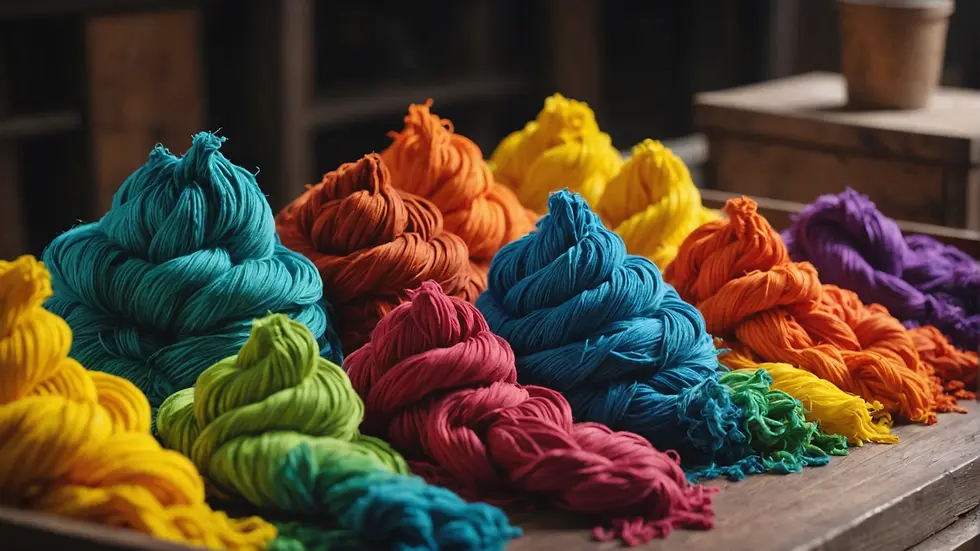
Color brings life to mink blankets, and improvements in eco-friendly dyeing practices have emerged. Traditionally used dyes often contained harmful chemicals, endangering both the environment and workers' health. Now, manufacturers adopt natural dyes and low-impact synthetic alternatives.
These new dyeing methods enhance color vibrancy while reducing the environmental impact. Companies have reported using up to 50% less water in the dyeing process, leading to reduced waste. As a result, consumers can enjoy stunningly colorful blankets while also supporting sustainable production.
Future Trends in Mink Blanket Production
As technology continues to advance, mink blanket production methods will also evolve. Future innovations may include incorporating blockchain technology to ensure material sourcing transparency. A recent study found that 80% of consumers are more likely to purchase products from brands that openly discuss their sourcing practices.
Additionally, developments in smart textiles may lead to mink blankets with temperature-regulating properties. These smart designs would allow users to enjoy warmth and comfort while avoiding overheating, setting a new standard in textile products.
The Journey Ahead for Mink Blankets
The production of mink blankets is undergoing a significant transformation. With advancements in sustainable materials, weaving techniques, quality control, and eco-friendly dyeing methods, the industry is refining its approach to luxury textiles.
As consumers prioritize comfort and ethical considerations, manufacturers are committed to innovating their production techniques. The future of mink blankets looks to be both luxurious and environmentally friendly, ensuring that every cozy moment spent in a mink blanket is accompanied by a commitment to care for our planet.
These innovations mark just the beginning of a promising journey for manufacturers and consumers alike. By embracing new techniques and sustainable practices, the textile industry moves toward a future that combines elegance with responsibility.


